.png)
I t is important not to offer solid foods until your baby is around 6 months old and showing all 5 signs they are ready to eat solid foods. If you start solid food too early, it may cause harm to your baby.
Here are some of the ways eating solid foods too early can be harmful.

Digestion problems
What this means: Constipation, diarrhea, stomach pains, and gas for your baby.
Why does this happen? Your baby’s digestive system is just starting to grow. Their digestive system is too young and not completely developed. It may be difficult for them to digest anything except infant formula and human milk.
End result: Offering solid foods too early can cause discomfort for your baby.
Choking
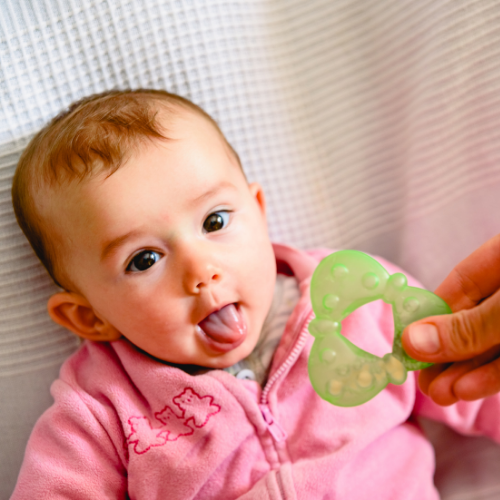
What this means: Before 6 months of age most babies only have the ability to suck and swallow. At this age, your baby cannot chew yet. Solid foods can block your baby’s airways because they cannot chew the food to swallow it. This may cause your baby to choke.
Why does this happen? A baby is learning so much so quickly. One of the things your baby is learning is how to use their tongue and swallow. As your baby gets older and has more control over their tongue, they will be able to eat more foods. A sign that your baby is not ready for solid foods is that they push food outside of their mouth with their tongue. Offering food too early can also cause your baby to gag. This skill of moving food around in the mouth will develop into chewing as your baby gets older.
End result: Offering food while your baby is still learning to use his tongue to eat foods can cause your baby to choke or gag. They will try to swallow food without being able to chew it or move it around in their mouth.
Malnutrition
What this means: Malnutrition is when the body is not getting enough of the nutrition it needs to grow and thrive.
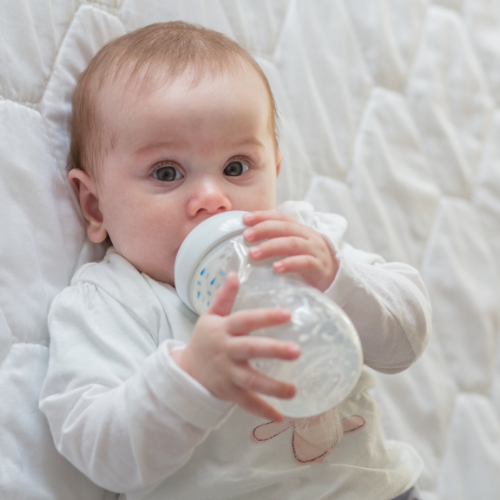
Why does this happen? If you feed solid foods in place of human milk or infant formula too soon, your baby may not drink as much human milk or infant formula needed. Human milk or infant formula offer the nutrition your baby needs to grow and develop normally.
End result: Adding solid foods too early in place of human milk or infant formula may lead to malnutrition. Human milk or infant formula have all the nutrition your baby needs from birth to 6 months.