Safe, Healthy, and Smart: Why You Should Be Eating More Seafood
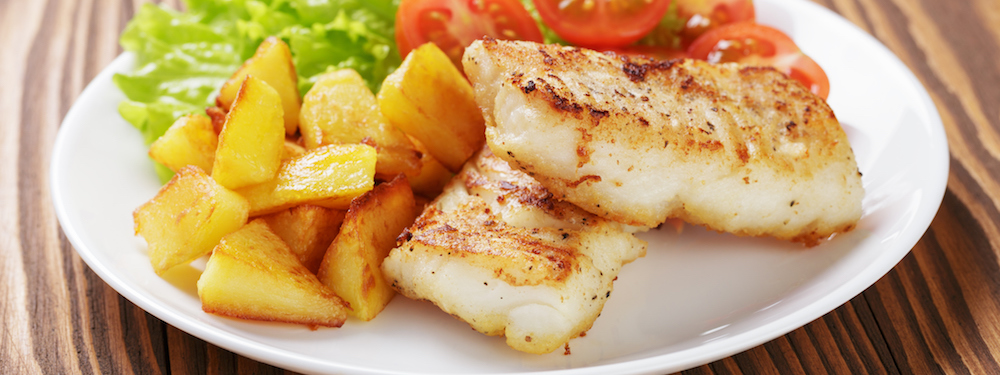
Lately, you may have heard news about mercury in seafood and worry that it won’t be healthy for you...or if you’re pregnant or nursing, your baby. But did you know that the FDA (Food and Drug Administration) and EPA (Environmental Protection Agency) both recommend that pregnant and breast or chestfeeding people eat 8-12 ounces per week of low-mercury seafood? This is because seafood delivers so many benefits to both parent and baby, and because most seafood you can get at the grocery store is considered very safe.
If you are pregnant, eating seafood can help make your baby smarter! That’s because about half the brain is made up of omega-3 fatty acids. Seafood is one of the only natural sources of omega-3 fatty acids, DHA and EPA, which your baby needs for brain and eye development. Studies have shown that babies whose parents eat seafood regularly during pregnancy have higher IQs than those who don’t.
Eating seafood twice a week has also been shown to make people much healthier. People who eat seafood have healthier hearts. Likewise, seafood is a natural mood-booster: if you’re pregnant, eating seafood can even help improve your mental well-being now and after your baby is born.
Best yet, most seafood is low in mercury and is safe for you and your baby. If you are pregnant or breast or chestfeeding, you should avoid shark, marlin, tilefish from the Gulf of Mexico (tilefish from the Atlantic Ocean is okay once per week), swordfish, orange roughy, king mackerel, and bigeye tuna to keep your risk of mercury exposure low. (Other kinds of tuna are OK as long as you limit them to one serving per week - that’s four ounces for a child and seven ounces for an adult.) Most common kinds of seafood available at the grocery store are considered safe for pregnant and breast or chestfeeding people and are great for your baby’s health - and your own. For more information about which seafood is considered best for pregnant and breast or chestfeeding people and which you should avoid, download this chart (be sure to come back and finish this lesson if you go to download the chart!).
Hopefully, now that you know seafood is safe and healthy for you and your family, you’re ready to start serving it regularly. Maybe you have tried seafood in the past and didn’t like it? If so, click here for some ideas on new ways to serve fish and other seafood that might change your mind. Or, you can click “Next” to create your personalized action plan and finish the lesson.