
Breast Changes
How they change during pregnancy
While you are pregnant, your body is getting ready to make the food your baby will need. Because of this, you may see or feel some new changes in your body.

Your breasts may...
- Feel sore, tender, or sensitive
- Grow larger
- Have darker veins
You may also see changes on your nipples and areolas. All of these changes are normal, and a sign that your body is getting ready for your baby to be born and fed.
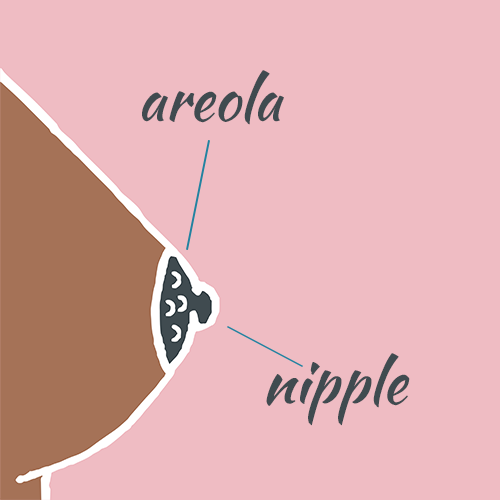
You may notice that your...
- Nipples and areolas get bigger and darker
- Areolas have small bumps
- Nipples may leak milk (also known as colostrum)

Recommendation
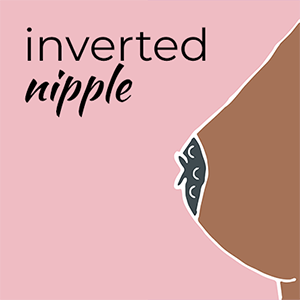
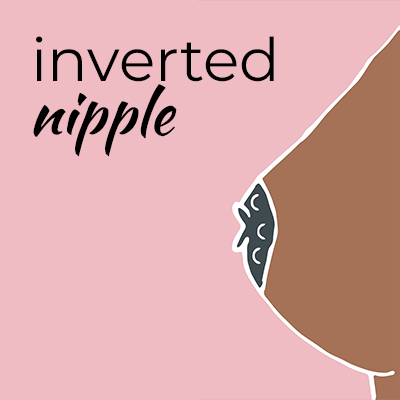
It is normal for some women to have flat or “inverted” nipples. Those who have flat or inverted nipples end up being able to breastfeed with no problem. Even so, it may still be a good idea to see a lactation consultant to get a little extra help getting off to a good start. This will help ensure your baby can attach and feed well. To find a lactation consultant to help you before or after delivery, you can:
- ask to schedule an appointment with one at your WIC clinic.
- ask for one to come to your room in the hospital.
- talk to your physician or midwife.
How can I find more comfort with these changes?
The right bra can be a huge help in providing you with as much comfort as possible during and after your pregnancy.
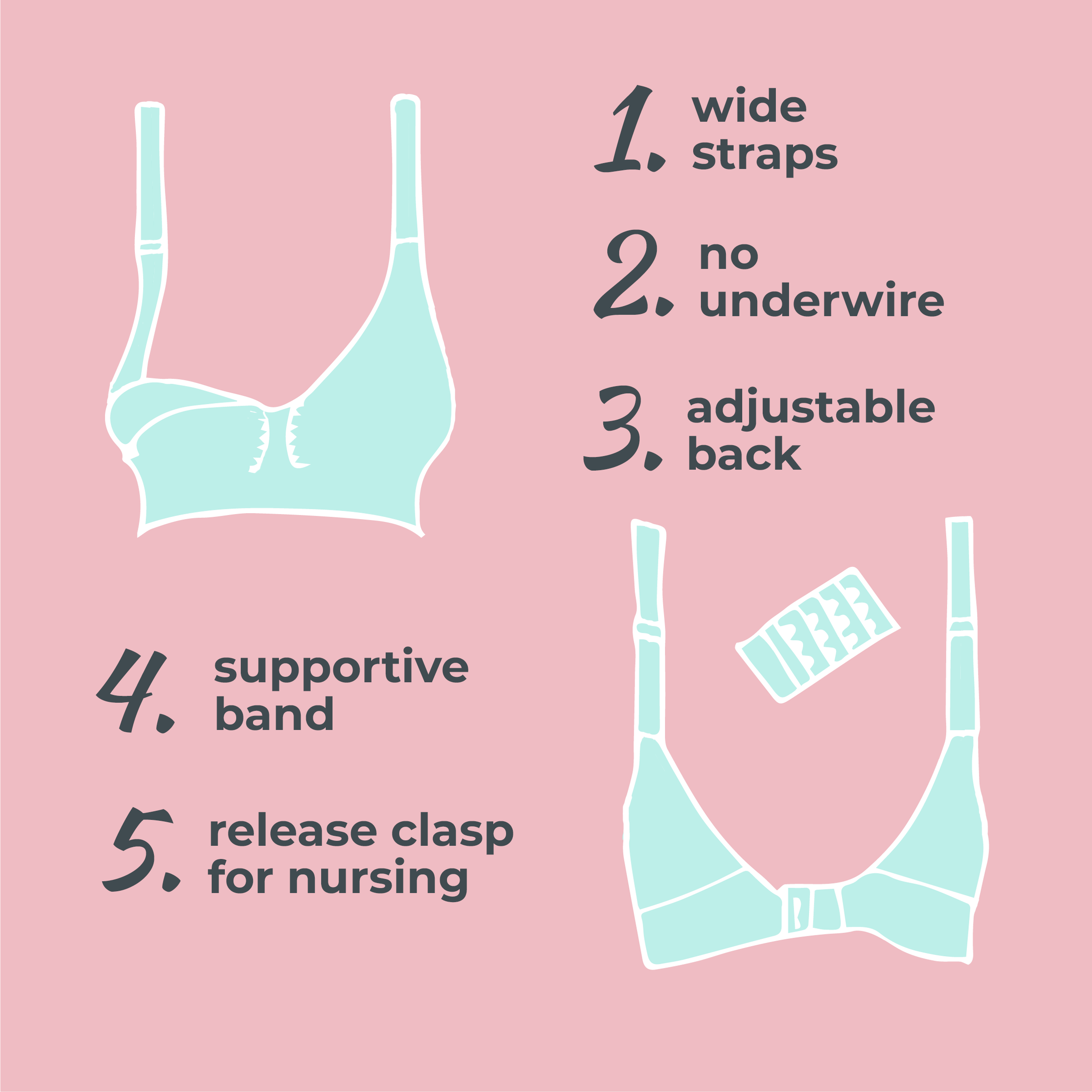
A supportive bra will:
1. Have wide straps
2. Not have underwire (Underwire can cause plugged ducts and restrict milk flow which can result in mastitis. Not to mention, it is not always the most comfortable option.)
3. Adjust in the back (It can be helpful to have a bra that adjusts as your body changes throughout your pregnancy.)
4. Have a supportive band
5. If you like, you can wear a bra with a release clasp for nursing. These types of bras are called nursing bras, and they can be worn during pregnancy. They are comfortable, and you can use them after your baby is born!
“When I was pregnant, my breasts were sore at night. My doctor said to try wearing a cotton sports bra for sleeping, and it was a big help.” - Kayla, mom of 1

Did You Know?
You can give yourself a breast exam! Self-exams do not replace regular exams from your healthcare provider. But, they can help you feel changes that you may want to talk with your healthcare provider about. Ask your doctor about self-exams while pregnant and breastfeeding.
To give yourself a self-exam:
Lie on your back on your bed with one arm over your head.
Put a pillow under your shoulder.
With your other hand, use the pads of your fingers to press down gently but firmly on and around your breast area.
Check the areas above and below your breast, all the way to your underarm.
Switch arms, and do the same to your other side.
During your self-exam, feel for tender or hard lumps. These areas can appear red or swollen. If you find any, don’t worry. They may simply be clogged milk ducts, which you can treat with a warm, damp towel or massage. If this does not help, or you are worried about an abnormal lump, be sure to tell your doctor. Your doctor can also share more tips about how to relieve clogged milk ducts.
What is colostrum?
Colostrum is the first milk that you will make. It will be deep yellow in color and will help protect your baby from infections.
What is a Lactation Consultant?
A lactation consultant is a person who can help you learn how to breastfeed. Your healthcare provider or WIC office staff will be happy to connect you with a lactation consultant. Your WIC clinic may also have a lactation consultant who can help. Just ask!



Mastitis
Mastitis is a breast infection. It may feel sore like a plugged duct but will often include other signs as well. The breast may feel tender, warm, or hot to the touch. It may also appear pink or red and/or there may be yellow discharge from the nipple that looks like colostrum. You may have flu-like symptoms like fever, chills, body aches, nausea, vomiting, or fatigue. Contact your healthcare provider if you ever feel you may have mastitis.

Plugged, blocked, or clogged ducts
Milk flows through a duct system in your breasts. Sometimes an area of the ducts becomes blocked and milk stops flowing well. A section of your breast may or may not be red. The area will usually be tender. “Plugged,” “blocked,” or “clogged,” are all used to describe this experience.
Plugged, blocked, or clogged ducts
Milk flows through a duct system in your breasts. Sometimes an area of the ducts becomes blocked and milk stops flowing well. When this happens a section of your breast may or may not be red. The area will usually be tender. “Plugged,” “blocked,” or “clogged,” are all used to describe this experience.
Plugged, blocked, or clogged ducts
Milk flows through a duct system in your breasts. Sometimes an area of the ducts becomes blocked and milk stops flowing well. When this happens, a section of your breast may or may not be red. The area will usually be tender. “Plugged,” “blocked,” or “clogged,” are all used to describe this experience.