
Let your child determine how much food they need to eat within about 10-15 minutes.
Your responsibility is to provide the food and offer meals on a created schedule. If they do not finish their meal, that is okay! Trust that your child has eaten enough. Hungry children can get what they need to eat in 10-15 minutes or less. Make sure you let them know that they will not be able to eat until the next snack or meal. Be careful not to plan a snack too soon. Otherwise, they will rely on the snack to be full.
Sometimes kids use this tactic as a way to delay bedtime.
Plan structured meal and snack times. Include a small and nutritious snack sometime after dinner. This newly planned, healthy snack can help with your child's bedtime routine. Hopefully, it will satisfy both of you.
Don’t be discouraged! It is important to teach your child the expectations for meal time behavior.
While your child may not like the food, offer them appropriate options to show their dislike for a food. Children need about ten different exposures to new food. Try preparing the food differently or have them help or watch you cook it. Consider pairing the foods they appear to dislike with ones you know they like. This just might encourage them to try something new and like it!

Children should drink about 2 cups of milk a day. This leaves room for other nutritious foods.
Offer milk with meals. Offer your child water throughout the day. Water will not fill them up as much, so they will have room for food at meals and snacks.
While sneaking healthy food into your child’s food seems like it works, it does not work to create lifelong healthy eating patterns.
Sneaking vegetables into smoothies or sauces does provide the child with essential nutrients. However, it will likely lead to problems in the future. Many children will avoid vegetables because they did not have real exposure to them. It may take up to 10 times of trying a food for a child to like it. However, don’t be afraid to be creative! Preparing foods in different ways may create more interest for your child to try it. Invite them to help plan the menu with a variety of foods and even help shop for them. Visit the farmers market or try growing fresh vegetables together. Ask for your child’s help with preparing meals. Also, it’s a great idea to pair a new food with a food they already like.
Your child naturally knows how much they need to eat.
If you force your child to clear their plate, they will form unhealthy eating habits. If you restrict them from eating certain foods, they will also form unhealthy eating habits. It may be hard to trust your child to eat what they need, but you can do it! Make sure you offer a variety of nutritious foods at every meal. Create routines for meals and snacks. It is okay for your child to make mistakes and not eat enough at one time. When your child tells you they are hungry, do not feel like you have to change the schedule. It is okay for your child to be hungry for a little while before a meal. Offer your child water and let them know when the next scheduled meal or snack will be. As the schedule becomes more regular, your child’s hunger will begin to follow the cycle.
This is a balanced diet. Offering the same meals may not encourage your child to try new foods.
Eating the same foods does not allow your child to explore new foods. To encourage your child to try new foods, add them to the familiar foods she eats. This way, your child can experience new foods while enjoying the foods she already likes.
This is not a myth. Children have developing taste buds.
They are getting used to different flavors and textures.
Set clear meal and snack times and expectations.
Create and stick to a predictable mealtime and snack schedule. You can let your child decide what and how much to eat from the foods that you provide. Let them know that they will get to eat more food at snack time. This may be difficult until your schedule is regular (especially when your child says they are starving!). Soon, your child will learn that they need to eat enough to satisfy their hunger until the next meal or snack time.
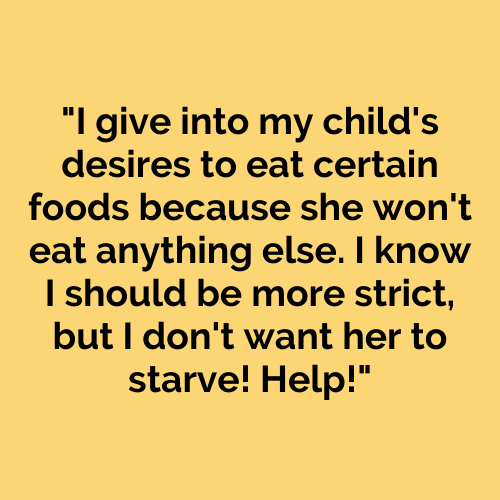
Your child will not starve if you offer a variety of nutritious meals and snacks on a predictable schedule.
Your child will naturally learn how much to eat at each meal. They will also learn to recognize their hunger and fullness cues. Naturally, your child’s body knows how much they need to eat. Continue to offer your child a variety of foods. Let them decide how hungry they are and how much they need to eat.
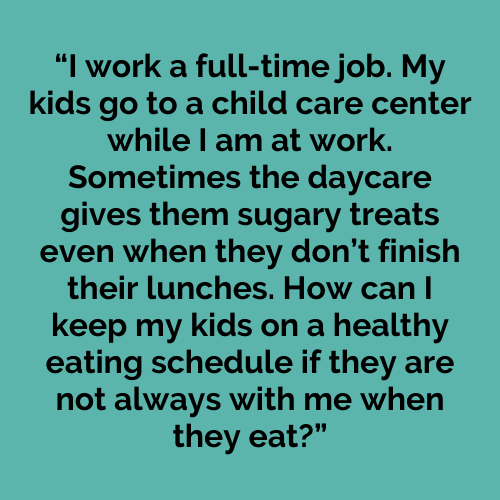
Always clearly communicate your concerns with your caretakers.
Parents strive to place their children in the care of those they trust. Your daycare facility may not be aware of your expectations. Communicating clearly is the first step in making this better. Encourage your daycare to provide healthy foods and limit the amount of sugary treats given to your kids. The key is to aim for healthy choices and a set schedule every day.
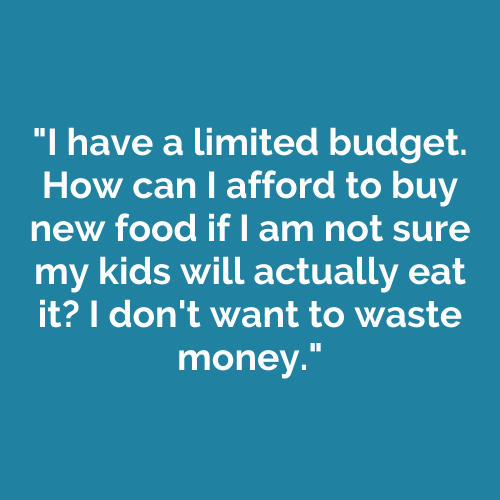
You don’t have to purchase all new foods.
Try purchasing one new food item each time you go grocery shopping. Keep in mind you don’t need large amounts. Buy a single fruit or vegetable and share it with your child. If you must buy a new food in a larger amount, try preparing it in a few different ways. Children might need to try a new food many times before they decide to like it.
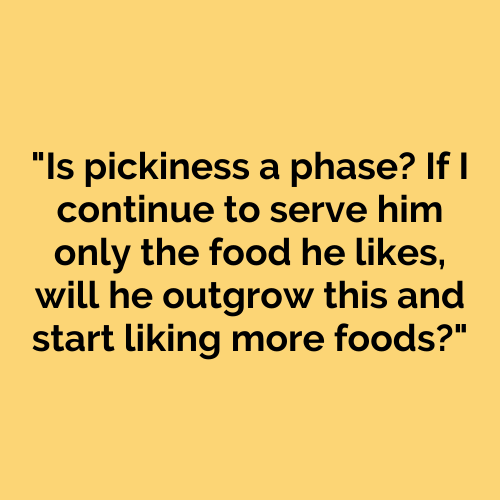
Pickiness can be a phase.
It is normal in the development process for children to reject some foods. Each child has a unique eating personality. Continue to give them new foods multiple times. Only offering the foods they like will not encourage them to try new foods. Invite them to cook with you and help pick the menu to expose them to new food options. It is also helpful if you offer something new with something that they like.